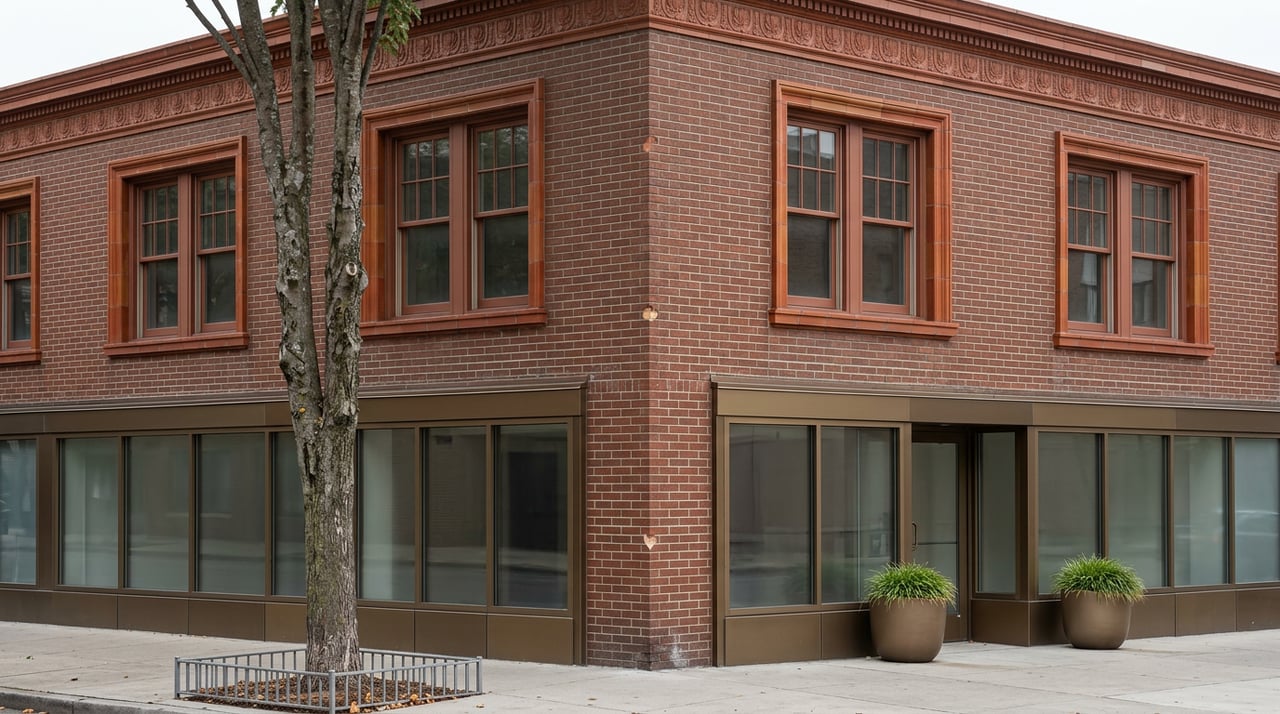
Walk down Frederick Douglass Boulevard this week and the corner where Harlem Bar-B-Q used to sit now glows pink, green and white. The sign reads Fish & Chicks, and the owner will tell you it is Harlem's first tiki bar. What he is less likely to lead with is that he has run bars in the neighborhood since 2012, a few blocks away on Lenox Avenue, first with Cucina Italian Tavern, then Cantina Taqueria & Tequila Bar. The tiki concept is new. The person behind the bar is not.
That pattern is the actual story of Harlem's closing weeks of August, more than any single opening or event. The neighborhood's outdoor summer season is wrapping up right now, and a new museum exhibition just went up on 125th Street. But look past the calendar and the real thread connecting all of it is how much of what reads as "new" in Harlem right now is just familiar names taking a different storefront.
The Viaduct's Last Two Nights
Harlem Summer Nights, the open-air food and music series that has taken over the 12th Avenue and 133rd Street Viaduct in West Harlem every week since July 10, closes out its 2026 run this month. Organizers put the season's numbers at roughly 100,000 people across the summer, more than 50 rotating Harlem food operators, and zero incidents. Entry has been free with a capped ticket, 10,000 per night, and the lineup shifts week to week so there is always something different on a given visit even though the location never moves.
The same week, Summer Stage in Harlem wraps its own run at the Adam Clayton Powell State Office Building Plaza on 125th Street. The closing show features Keith "The Captain" Gamble with Clean Money Music and Kenny Allan Smith, following a summer that included a gospel night, a Latin night with the Steve Kroon Latin Jazz Sextet, and an R&B bill with Alyson Williams, who grew up in Harlem before becoming known as the First Lady of Def Jam.
Two outdoor stages, both ending their seasons in the same stretch of days. If you only looked at that, you would guess Harlem's summer is simply over.
Except the Studio Museum Just Opened Something New
On August 19, the Studio Museum in Harlem opened "Dreams of This Future: The Collection of Peggy Cooper Cafritz," a new exhibition that will run through February 28, 2027. It landed at the museum's West 125th Street building less than a year after that building reopened to the public last November following a seven-year closure for construction. General admission is $16, and the museum stays free on Sundays.
So the same week the neighborhood's outdoor stages go dark, its newest indoor draw opens its doors. The outdoor season closing does not mean less is happening in Harlem. It means the center of gravity moves a few blocks and indoors, from a viaduct and a plaza to a gallery with ceilings up to almost 30 feet.
Who Is Actually Behind the New Storefronts
Here is where the pattern gets more interesting than a simple list of new places to try. A lot of what looks like new investment moving into Harlem is really existing Harlem operators expanding their own footprint.
- Fish & Chicks, the tiki bar now occupying the old Harlem Bar-B-Q spot at Frederick Douglass Boulevard and 127th Street, is owned by Marc Bernstein, who has run bars in the neighborhood since 2012 and previously operated Cucina Italian Tavern and Cantina Taqueria & Tequila Bar on Lenox Avenue.
- CUP (Coffee Uplifts People), co-founded by radio personality Angela Yee along with Tony Forte and LaRon Batchelor, started as a Bed-Stuy cafe before expanding into the ground floor of The Africa Center, taking over the space that used to hold Teranga.
- Settepani, the long-standing Harlem Italian restaurant, is now running the basement cafe inside the Studio Museum's new building and has also picked up the concession stand at the Davis Center at the Harlem Meer, meaning one established kitchen is now feeding people in a contemporary art museum and a Central Park recreation center at the same time.
- Salento, a plant-filled coffee shop known for Colombian pandebono, opened a second Harlem location at 132 Hamilton Place in West Harlem rather than a first-time operator testing the neighborhood cold.
None of this is a story about outside money discovering Harlem. It is a story about operators who already had a foothold here reinvesting in it, in some cases literally taking over the exact address of a place that closed. That distinction matters if you have lived through neighborhoods where turnover means the block starts to feel unrecognizable. Here, the churn is mostly lateral. The same people keep showing up under new signage.
Not everything fits that mold. Copperleaf Bakery, a new spot on Frederick Douglass Boulevard serving its own croissants and sourdough sandwiches, appears to be a genuinely new entrant rather than an expansion. So did a wrestling-themed cafe that opened for the WWE crowd and a Hawaiian poke spot that took a corner space. New operators are still testing Harlem. They are just outnumbered, at the moment, by operators who never left.
The Restaurant Week That Already Wrapped
Before any of this month's closings and openings, NYC Restaurant Week ran its summer edition from July 20 through August 16, with six Harlem restaurants offering prix fixe menus from $30 to $60 for brunch, lunch and dinner. That window closed just days before this week's museum opening and viaduct finale, which means Harlem's food scene has effectively been running two overlapping high seasons back to back: a citywide dining promotion through mid-August, followed immediately by the last push of the neighborhood's own summer programming. There was barely a gap between them.
What This Actually Looks Like If You Live Here
If you already call Harlem home, the practical version of all this is straightforward. The viaduct's final nights and Summer Stage's closing show give you one more reason to be outside before the outdoor season fully ends. The new Studio Museum exhibition gives you a reason to go back to 125th Street even if you already saw the building when it reopened last fall. And the next time you notice a new sign on a familiar corner, whether it is a tiki bar with a Maori-derived name or a coffee brand that started somewhere else in Brooklyn, it is worth checking who actually signed the lease before assuming the neighborhood is being remade by strangers. More often than not lately, it is not.
That is the version of Harlem's August that a quick scroll through an events calendar will not tell you. The calendar shows two stages going dark and one museum lighting up. The addresses tell you the deeper story, which is that Harlem's food and culture scene right now is mostly being run by people who were already here, expanding into the spaces the last generation of businesses left behind.
If you are watching this neighborhood closely enough to notice which names keep reappearing on new storefronts, you already understand something about Harlem that most outside observers miss. Landow New York works across Manhattan, including Harlem, and is always glad to talk through what a specific block or building is actually like to live on, whether or not you are in the market. Reach out anytime.