When Mary's Fish Camp announced it was returning to the West Village this year, Sarah Jessica Parker didn't wait for the new address to leak. She commented on the announcement asking how she could help. It's a small detail, but it says something true about this neighborhood: a seafood shack that shut down in 2024 gets a fan letter from one of its most recognizable regulars before the paint is even dry.
Multiply that instinct across a few more dining rooms and set it against one very different kind of opening a few blocks away, and you get the actual shape of the West Village's summer. Half of it is welcoming back rooms the neighborhood thought it had lost for good. The other half is opening a door most people who live here will never get to walk through, no matter how long they've had a lease on the block.
The Dining Room Everyone Wanted Back
Babbo is the story locals keep bringing up first, and for good reason. The original ran for more than two decades as one of the defining Italian rooms in the city before it closed in 2022. Restaurateur Stephen Starr revived it this year with Mark Ladner, the original longtime chef, back in the kitchen recreating the dishes that made the place famous, including the beef cheek ravioli and the 100-layer lasagna.
Getting a table is its own small ritual now. Reservations release on Resy exactly 30 days ahead at midnight, and the best Friday and Saturday slots disappear within a minute. That's the real cost of getting in: not a fee, just precision timing and a working alarm clock. It's a room anyone can sit in, provided they're paying attention at the right moment.
A Few Blocks Over, the Same Instinct
Mary's Fish Camp followed a similar path back. After closing in 2024, the seafood spot reopened this year a few blocks from its original spot, on Hudson Street. The SJP moment wasn't an isolated bit of celebrity noise. It reflected how much of the neighborhood had quietly been waiting for this specific room to come back, not a replacement for it.
Zimmi's, a Southern French bistro that opened in the West Village in early 2025, is taking the opposite approach to growth. Instead of leaving the block, the team is expanding into the space next door on Bedford Street with a smaller cafe concept built around pastries and an extensive wine program. Rather than franchise out to a new neighborhood, they're doubling down on the same 100 feet of sidewalk.
None of this required anyone to spend a dollar beyond the price of dinner. That part matters, because it's about to change.
The Corner That Finally Stopped Being a Construction Site
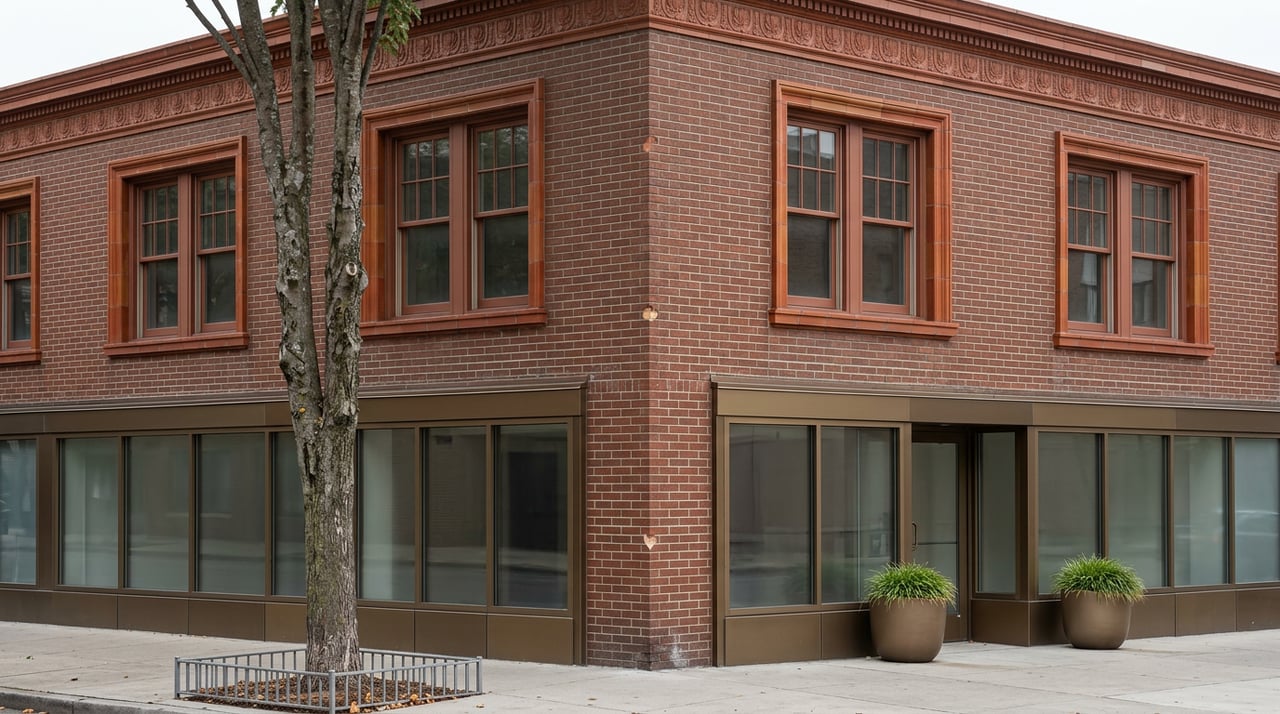
For years, the corner of Sixth Avenue and West 14th Street was scaffolding and plastic sheeting, easy to walk past without registering. That changed this spring. Construction finished on The Village West, a 13-story, 68-unit condominium designed by BKSK Architects and developed by Izaki Group, sitting right at the corner where the West Village gives way to Chelsea, also addressed as 100-106 West 14th Street.
The building's terra cotta facade detailing, fabricated by Boston Valley, has already become a small point of neighborhood conversation among people who pay attention to what goes up on their own streets, the kind of quiet architectural interest that outlasts a ribbon cutting. It's the sort of corner that shows up in daily errands for years without anyone remembering exactly when it stopped being fenced off.
The Grocery Store You Have to Pay to Enter
Here's where the second comeback story splits off entirely. Erewhon, the Los Angeles grocery chain known for expensive smoothies and a cult following, is coming to the West Village. But it won't be a storefront anyone can walk into off the sidewalk. It's opening inside Kith Ivy, a private padel club being developed by Kith founder Ronnie Fieg on the 9th floor of 120 Leroy Street, alongside padel courts, a restaurant, and spa amenities.
Access to the shop is limited to club members, and membership isn't cheap: $36,000 in initiation fees and $7,000 in annual dues. Compare that to the cost of getting a seat at Babbo, which is exactly zero dollars and one well-timed midnight alarm. Two comebacks, two very different definitions of what "getting in" actually means on the same six blocks.
What This Actually Means If You Live Here
Put the four stories next to each other and a pattern shows up that a single restaurant write-up would miss. The neighborhood is returning its food memory to the public sidewalk, room by room, at the exact same moment it's building small private worlds a few floors up that most residents will only ever hear about secondhand. Both things are true this summer, and neither cancels the other out.
For someone who already calls the West Village home, that means the practical calendar looks something like this: set an alarm for Babbo if a special occasion is coming up, walk over to Hudson Street for the version of Mary's Fish Camp you remember, watch Zimmi's slow expansion next door turn into an actual pastry counter, and get used to the finished silhouette at Sixth and 14th on your next walk to the subway. The padel club on Leroy Street will keep doing what private clubs do, which is stay mostly invisible to everyone who isn't inside it.
That's not a complaint about the neighborhood changing. It's just a more accurate read of how it's changing, which is more useful than either the nostalgia version or the luxury-boom version most coverage settles for.
If you're weighing what any of this means for a home you already own here, or you're curious how a specific block like Bedford Street or Hudson Street is actually performing right now, the team at Landow New York knows these streets well enough to give you a straight answer, not a sales pitch.